Every October, millions of people across the United States carve pumpkins into spooky faces, place candles or lights inside them, and display them on their doorsteps. These glowing decorations have become one of the most recognizable symbols of Halloween.
But have you ever wondered why people carve pumpkins in the first place? Why do they have scary faces? And why did people originally use turnips instead of pumpkins?
The story behind this Halloween tradition goes back centuries, connecting ancient Celtic beliefs, Irish folklore, immigrant traditions, and the agricultural history of North America.
The pumpkin jack-o'-lantern that people recognize today was not always a pumpkin. In fact, the earliest versions of this tradition were made from vegetables that many modern Halloween fans would never think of using.
Why Do We Carve Pumpkins on Halloween?
Carving pumpkins on Halloween is a tradition that developed from older European customs involving carved vegetables, supernatural folklore, and beliefs about spirits.
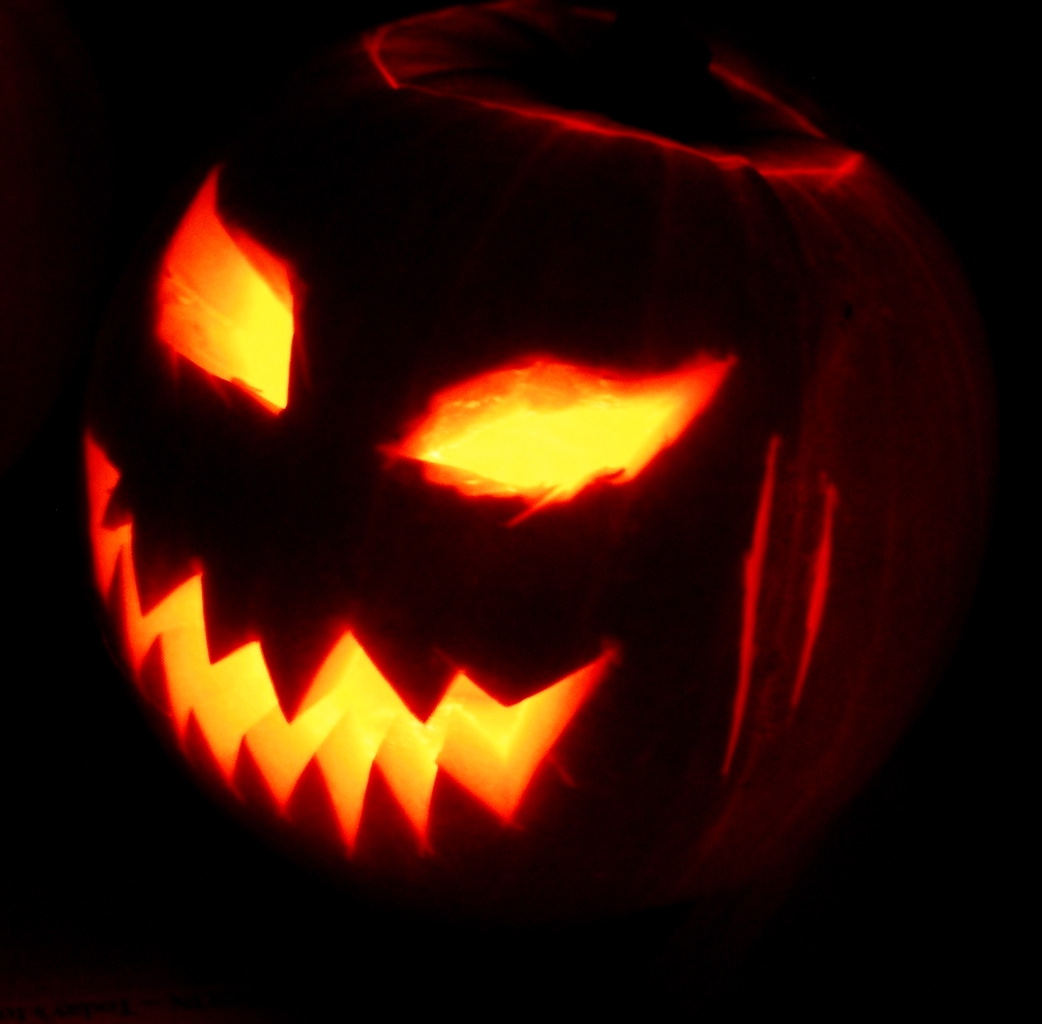
The modern jack-o'-lantern is typically made by removing the inside of a pumpkin, cutting a face into its outer shell, and placing a light inside. The result is a glowing decoration that can look funny, frightening, or surprisingly creative.
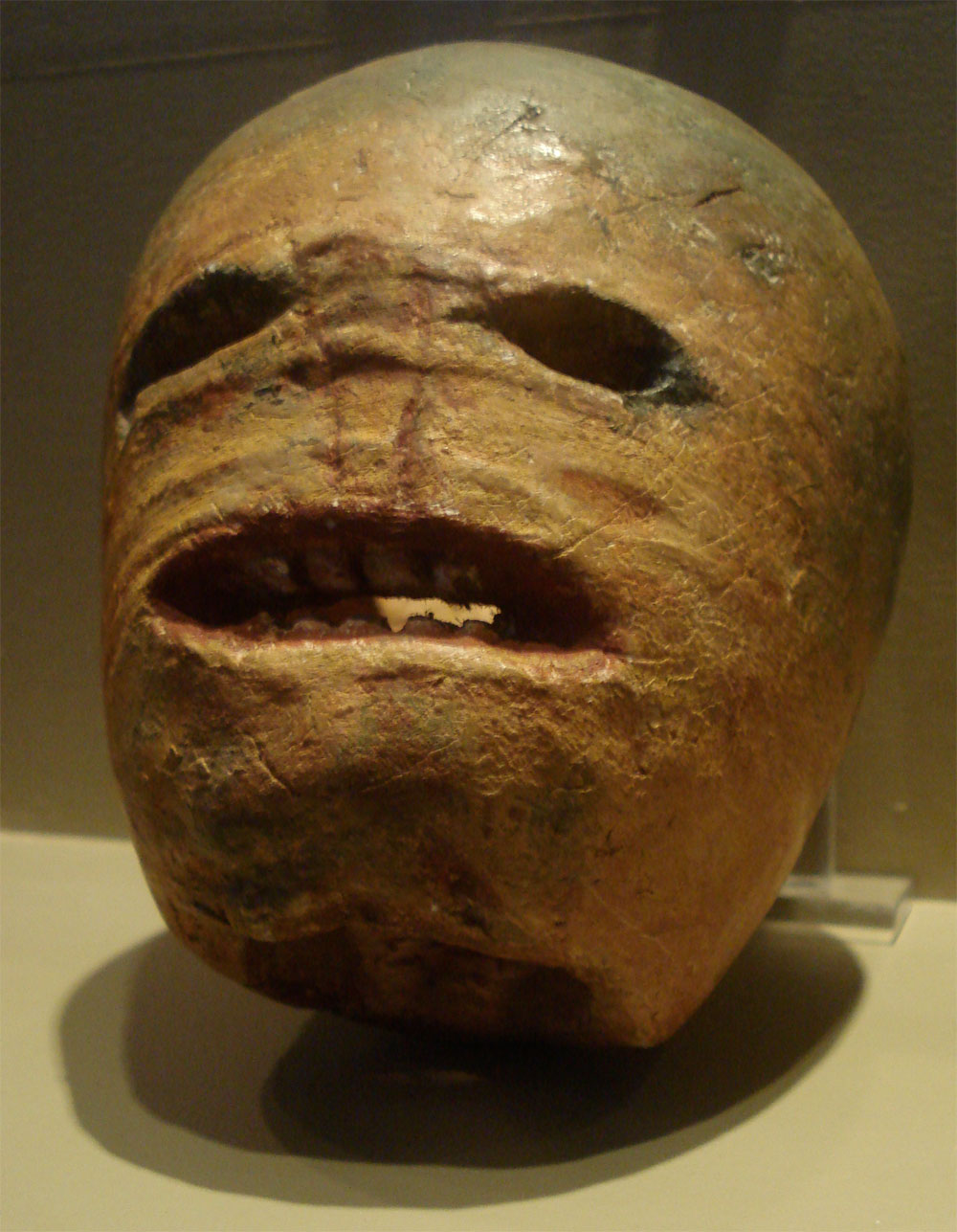
However, the original purpose of carved vegetables was not simply to decorate homes or entertain children. In parts of Ireland and Scotland, people carved turnips and other root vegetables into lanterns. These lanterns were associated with local Halloween customs and stories about wandering spirits.
When Irish and Scottish immigrants brought their traditions to North America, the practice gradually changed. Pumpkins, which were widely available and easier to carve into large faces, became the preferred choice.
Over time, the pumpkin jack-o'-lantern became an essential part of Halloween celebrations.
The Ancient Origins of Halloween
To understand why people carve pumpkins, it helps to look at the history of Halloween itself.
Halloween is commonly connected to Samhain, an ancient Celtic festival marking the transition from the harvest season into winter. Samhain was traditionally observed around the end of October and the beginning of November.
Historical accounts and later folklore associate the festival with beliefs about the boundary between the living world and the supernatural becoming less distinct during this period.
People used different customs to mark the occasion, including seasonal gatherings and practices intended to protect themselves from harmful influences.
As Christianity spread across Europe, existing seasonal customs interacted with Christian observances, including All Saints' Day on November 1 and All Souls' Day on November 2. The evening before All Saints' Day eventually became known as All Hallows' Eve, which developed into the name Halloween.
Although modern Halloween combines many influences, its historical development helps explain why the holiday became associated with spirits, darkness, frightening imagery, and supernatural stories.
However, the precise connection between ancient Samhain rituals and modern pumpkin carving is not fully documented. The tradition evolved over many centuries rather than beginning with one clearly recorded event.
The Original Jack-o'-Lantern Was Made From a Turnip
One of the most surprising facts about Halloween is that the traditional jack-o'-lantern was not originally a pumpkin.
In Ireland and Scotland, people carved turnips and other root vegetables into lanterns. They hollowed out the vegetables, cut faces into their sides, and sometimes placed burning embers or candles inside.
These lanterns were smaller, denser, and generally more difficult to carve than modern pumpkins. Yet they were well suited to the local agricultural environment because root vegetables were readily available.
The carved faces were sometimes associated with supernatural beliefs, protective customs, or frightening figures in local folklore.
When these traditions crossed the Atlantic, the materials changed, but the basic idea remained the same: a hollowed-out vegetable with a carved face and a light inside.
This is why the turnip story is such an important part of Halloween history. It shows how a familiar American tradition developed from customs that existed long before pumpkins became the standard choice.
Who Was Stingy Jack?

The jack-o'-lantern is also associated with an Irish folktale about a mysterious figure commonly known as Stingy Jack.
According to popular versions of the story, Jack was a cunning man who repeatedly tricked the Devil. In one telling, he persuaded the Devil to transform himself into a coin and then trapped him so that he could not return to his original form.
Jack eventually died, but the story says he was not welcomed into Heaven. The Devil, having been tricked, also refused to admit him into Hell.
Left to wander in darkness, Jack was given a burning coal to light his way. In the familiar version of the legend, he placed the coal inside a carved turnip and carried it as a lantern.
This wandering figure became known as Jack of the Lantern, later shortened to jack-o'-lantern.
The story has several variations, and its exact historical origins are difficult to establish. It is best understood as folklore rather than a verified historical account.
Nevertheless, the legend helped connect the carved lantern with wandering spirits, darkness, and Halloween's supernatural atmosphere.
Why Did Americans Switch From Turnips to Pumpkins?
When Irish and Scottish immigrants arrived in North America, they brought their Halloween customs with them.
In their new home, they encountered a vegetable that was particularly well suited to the tradition: the pumpkin.
Pumpkins were native to North America and had long been cultivated by Indigenous peoples before European colonization. They were widely available in many regions and became an important part of North American food traditions.
Compared with turnips, pumpkins offered several practical advantages.
Pumpkins Were Easier to Carve
A pumpkin has a relatively large interior and a softer flesh than a typical turnip. Once the top is removed, the inside can be scraped out, leaving a broad surface for cutting eyes, noses, and mouths.
Turnips are smaller and harder, making them more difficult to hollow out and carve into elaborate faces.
Pumpkins Were Larger and More Visible
A large pumpkin could be displayed outside a home, placed on a doorstep, or used as a centerpiece for Halloween decorations.
Its size also made it easier to create dramatic expressions, from traditional triangular eyes to elaborate modern designs.
Pumpkins Were Readily Available in Autumn
Pumpkins are harvested in autumn in many parts of North America, making them a natural fit for Halloween, which falls on October 31.
Their seasonal availability helped make pumpkin carving practical and affordable for families.
Together, these factors helped the pumpkin replace the turnip as the familiar jack-o'-lantern material in the United States.
When Did Pumpkin Carving Become a Halloween Tradition?
There was no single moment when Americans collectively decided to carve pumpkins. Instead, the practice developed gradually as immigrant customs adapted to local conditions.
During the 19th century, Halloween celebrations in North America increasingly incorporated activities such as games, parties, costumes, and seasonal decorations.
Carved pumpkins became an increasingly recognizable part of these celebrations. As newspapers, magazines, illustrations, and later commercial Halloween products spread popular imagery, the pumpkin jack-o'-lantern became firmly associated with the holiday.
By the 20th century, pumpkin carving had become a widely recognized Halloween activity in the United States.
Today, families carve pumpkins at home, communities organize carving contests, and farms host seasonal pumpkin festivals. Designs range from simple smiling faces to highly detailed portraits, animals, and elaborate horror scenes.
What began as a regional folk custom has become an internationally recognized Halloween symbol.
What Does a Jack-o'-Lantern Symbolize Today?
For many people, a jack-o'-lantern is simply a fun Halloween decoration. Its meaning has changed considerably over time.
Historically, carved lanterns were connected with folklore, supernatural beliefs, and customs associated with the season. Today, they are more commonly associated with Halloween celebrations, autumn harvests, creativity, and family activities.
Some people still enjoy the eerie appearance of a glowing face in the dark, while others carve friendly expressions for children.
The tradition has also become a creative art form. Artists use specialized tools to produce intricate designs, and illuminated pumpkin displays attract visitors to farms, gardens, and seasonal events.
Despite these changes, the basic visual idea remains the same: a carved vegetable transformed into a glowing face.
Frequently Asked Questions
Did people originally carve turnips instead of pumpkins?
Yes. In parts of Ireland and Scotland, people carved turnips and other root vegetables into lanterns before pumpkins became the preferred material in North America.
Who was Stingy Jack?
Stingy Jack is a figure in Irish folklore associated with the legend of the jack-o'-lantern. According to popular versions of the story, he tricked the Devil and was condemned to wander with a burning coal inside a carved vegetable.
Why are pumpkins used for Halloween?
Pumpkins are large, relatively easy to carve, and widely available during the autumn season in North America. These advantages helped them replace smaller, harder root vegetables.
When did pumpkin carving become popular in America?
The tradition developed during the 19th century as Irish and Scottish Halloween customs adapted to North American ingredients and celebrations. It became a widely recognized Halloween activity during the following century.
Why are jack-o'-lanterns associated with scary faces?
The carved faces reflect the tradition's connections with supernatural folklore and frightening imagery. Modern designs range from terrifying expressions to funny and friendly faces.
Conclusion
The next time you see a glowing pumpkin on a doorstep, remember that its history stretches far beyond modern Halloween decorations.
The tradition developed from older European customs involving carved turnips, supernatural folklore, and seasonal celebrations. Stories about Stingy Jack helped give the jack-o'-lantern its mysterious identity, while Irish and Scottish immigrants carried related traditions to North America.
There, pumpkins offered a larger, softer, and more convenient alternative to turnips. Over time, the pumpkin became the unmistakable symbol of Halloween.
So, while millions of people carve pumpkins every October, the original jack-o'-lantern tradition tells a much older story about folklore, migration, and the ways cultural traditions change when people make new homes in different parts of the world.
Comments
Post a Comment